Lay flake floors that never come back.
Three days on real concrete in Temecula, CA. Prep, broadcast, topcoat, and how to price the job.
Real jobs from Ryan's company, Best Coast Epoxy Coatings. No stock photos.
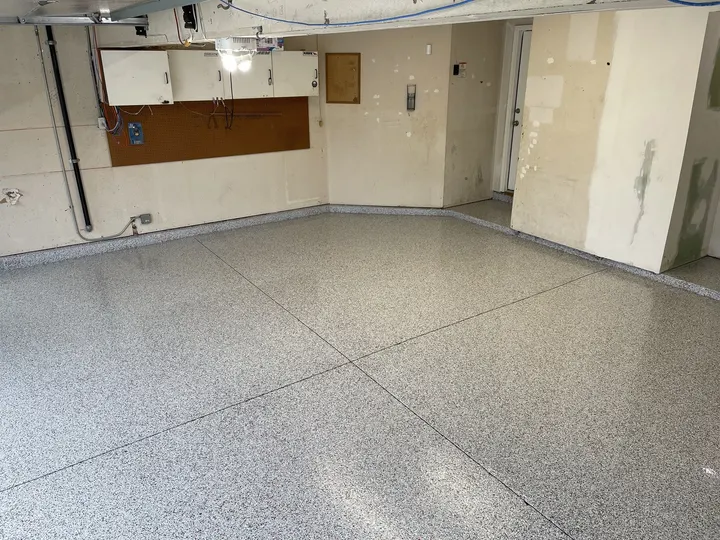
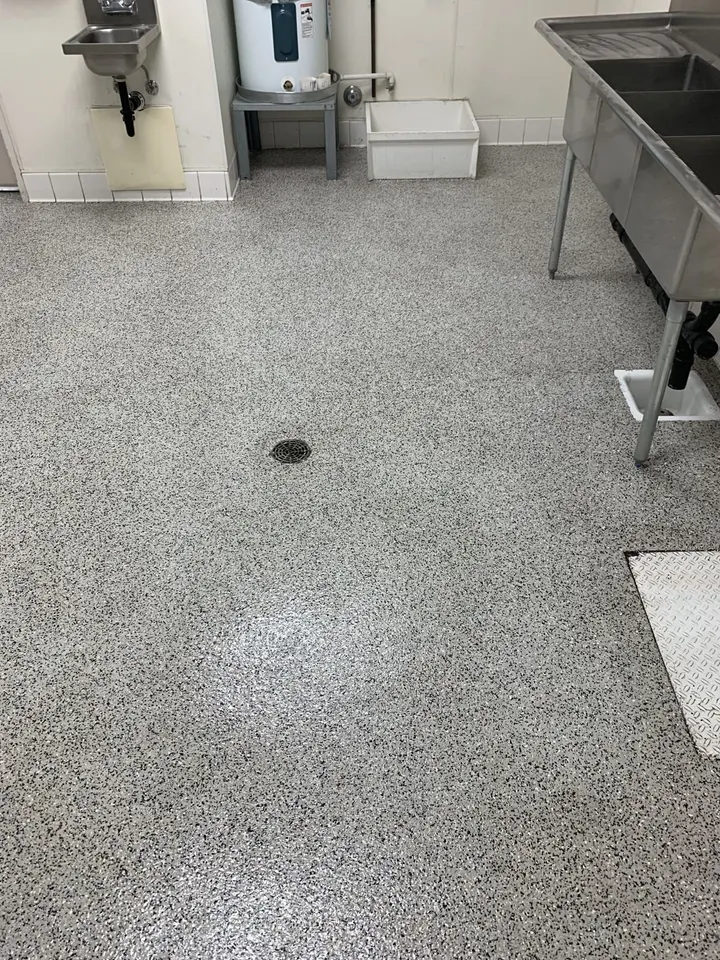
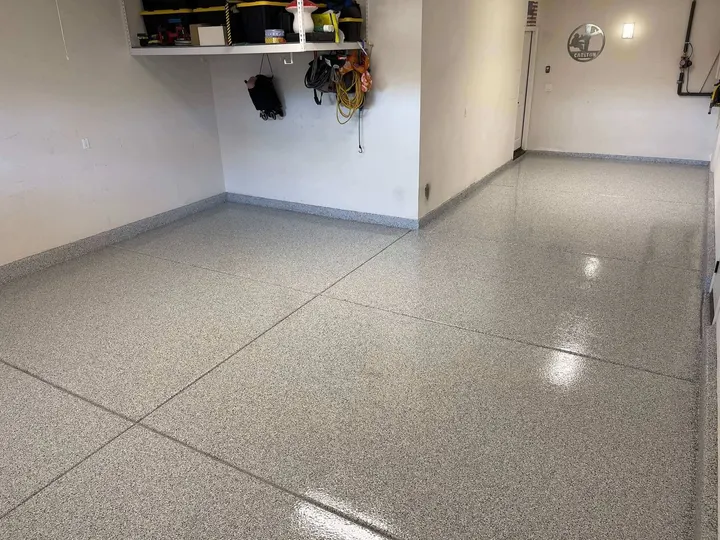
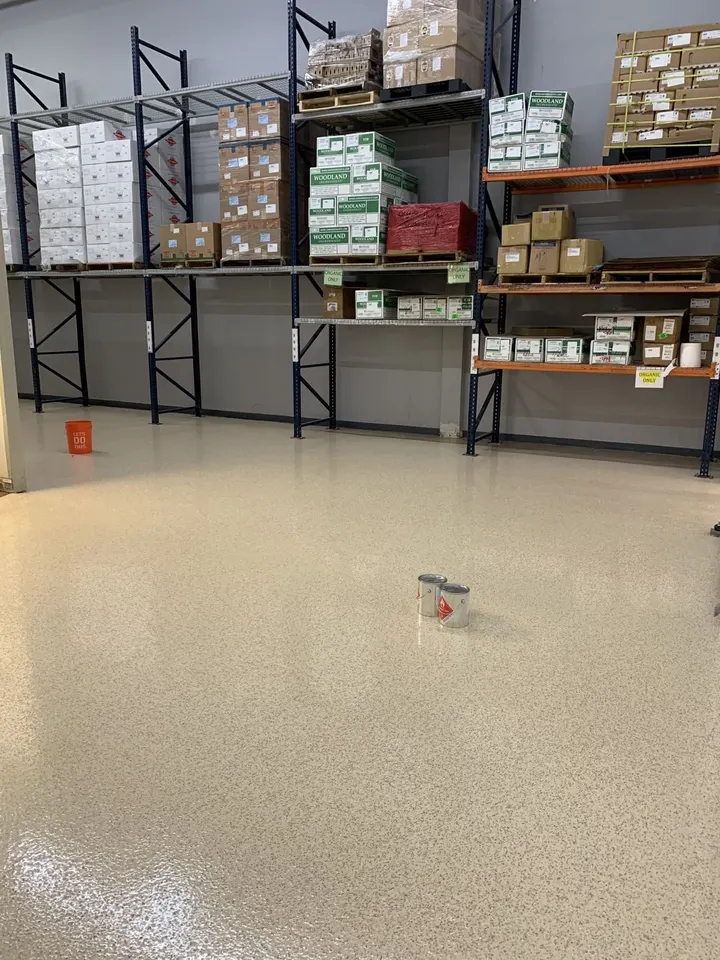
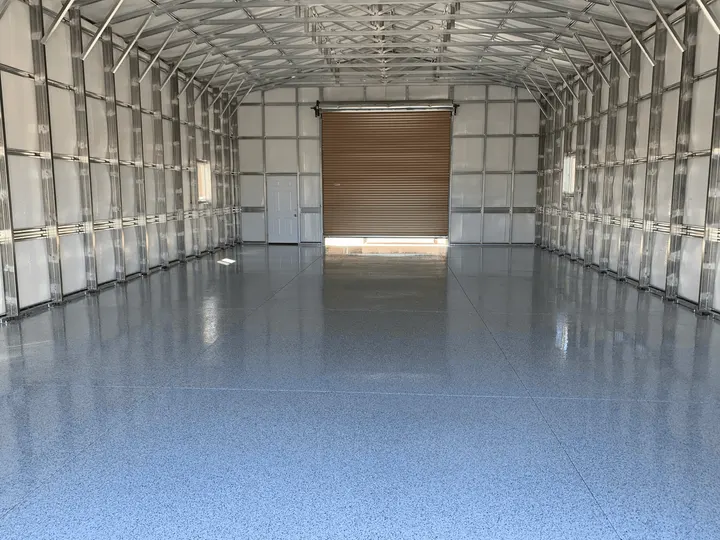
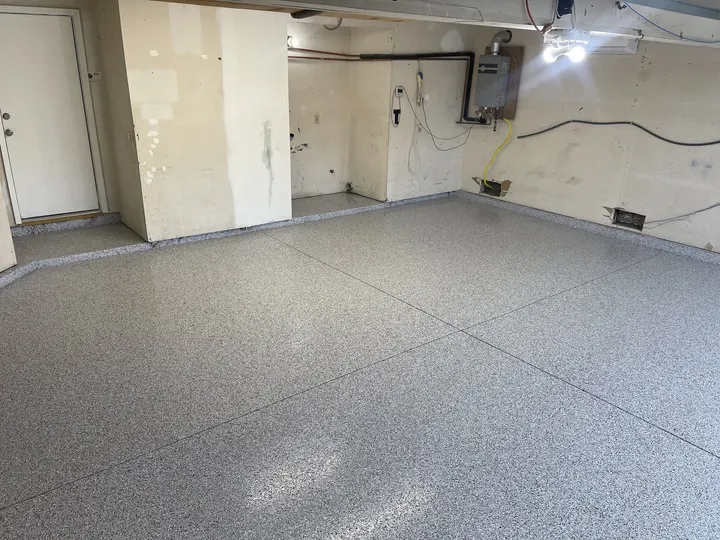
Vendor classes teach their product. Flake School teaches the floor.
Most training is run by a coatings brand, and it ends with a pitch for their kit. Here you work with more than one system, learn why floors fail, and leave knowing what to buy and what to skip.
The five ways a floor comes back, and the day you learn to stop each one.
- Peeling and delamination
- Prep too shallow for the coating. Day 1, grinding to the right profile.
- Bubbles and pinholes
- Moisture and outgassing nobody tested for. Day 1, calcium chloride and RH probes.
- Hot tire pickup
- Wrong system for the garage, or a coat that never bonded. Day 2, system choice.
- Cloudy, blushed topcoat
- Humidity and temperature ignored. Day 3, reading cure windows on site.
- A job that loses money
- Quoted by feel. Day 3, pricing a real two-car garage line by line.
Three days. One floor, start to finish.
-
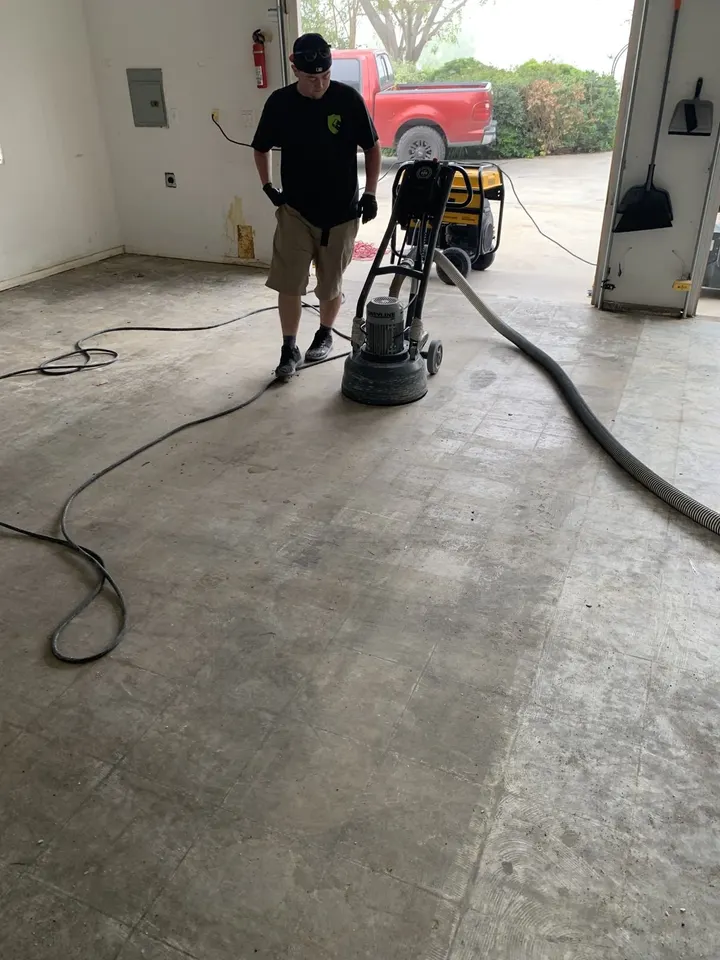
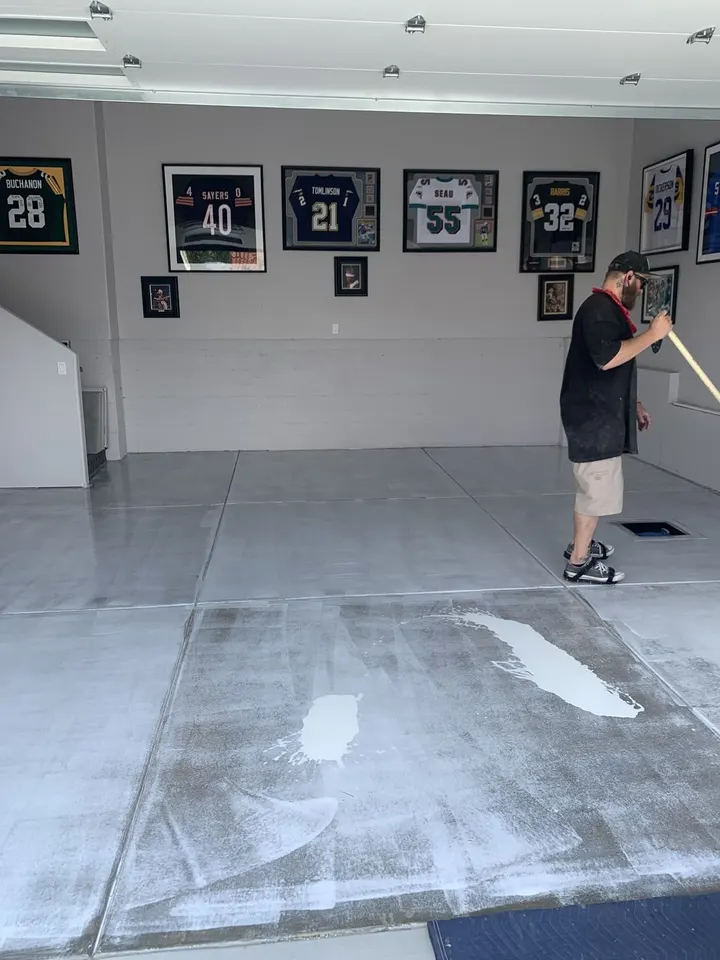
Day 1
Prep is the floor.
Most failed floors fail at prep, so we spend the whole first day on it.
- Moisture testing with calcium chloride kits and RH probes, and what the numbers mean for the job
- Diamond grinding to the right surface profile, and how to tell when you are done
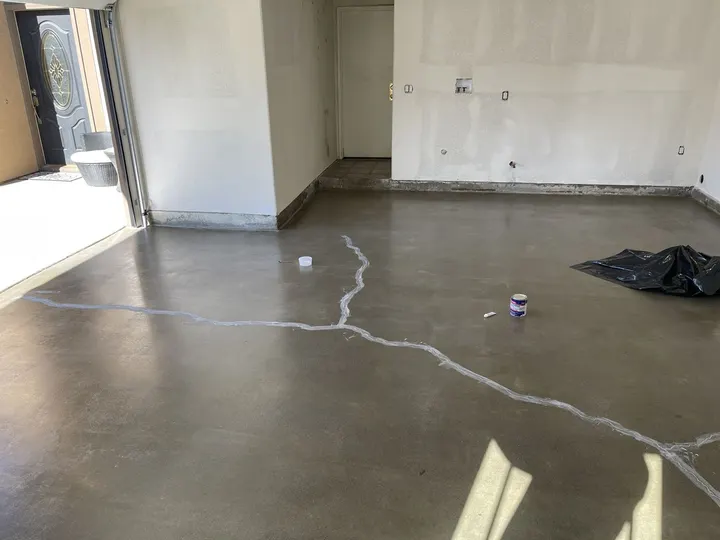
- Crack, spall and control joint repair that does not telegraph through
- Cove base layout and the edge work customers notice first
-
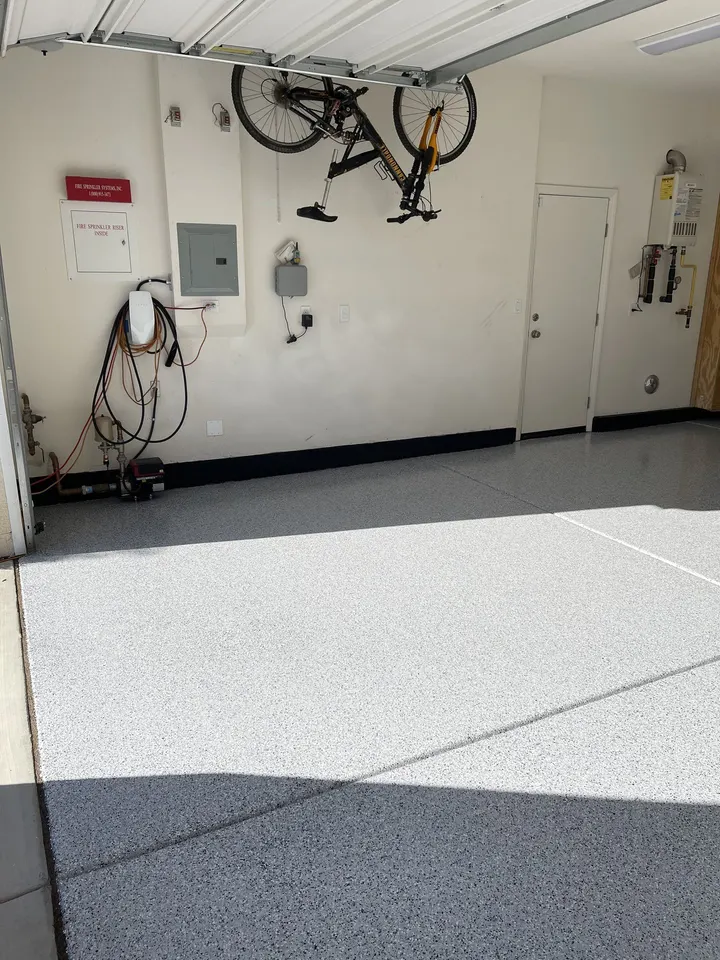
Day 2
Base coat and broadcast.
You mix, roll and throw on a real slab, then do it again until it is boring.
- Mix ratios, pot life, and what heat does to your working time
- Rolling a wet edge without lap marks
- Full broadcast to rejection, then scraping and vacuuming the excess
- Choosing a system for the garage, the patio and the commercial floor
-
Day 3
Topcoat, then the business.
Morning on the polyaspartic. Afternoon on the part that decides if you make money.
- Polyaspartic topcoat in real conditions, cure windows, and the final walkthrough
- Failure forensics: reading a bad floor and knowing what caused it
- Quoting a two-car garage line by line, and the first equipment to buy
- Google Business Profile, job photos that get calls, and when to hire a helper
Run the numbers on one garage.
Put in your market. Published U.S. guides put installed flake and polyaspartic floors at about $5 to $10 a square foot, and a two-car garage runs 400 to 576 square feet.
The other way in is a franchise. Garage Force lists a $49,500 franchise fee, $132,900 to $200,600 to open, and 5% of every job after that, per its disclosure document. Flake School is three days and $1,495, and every job after is yours.
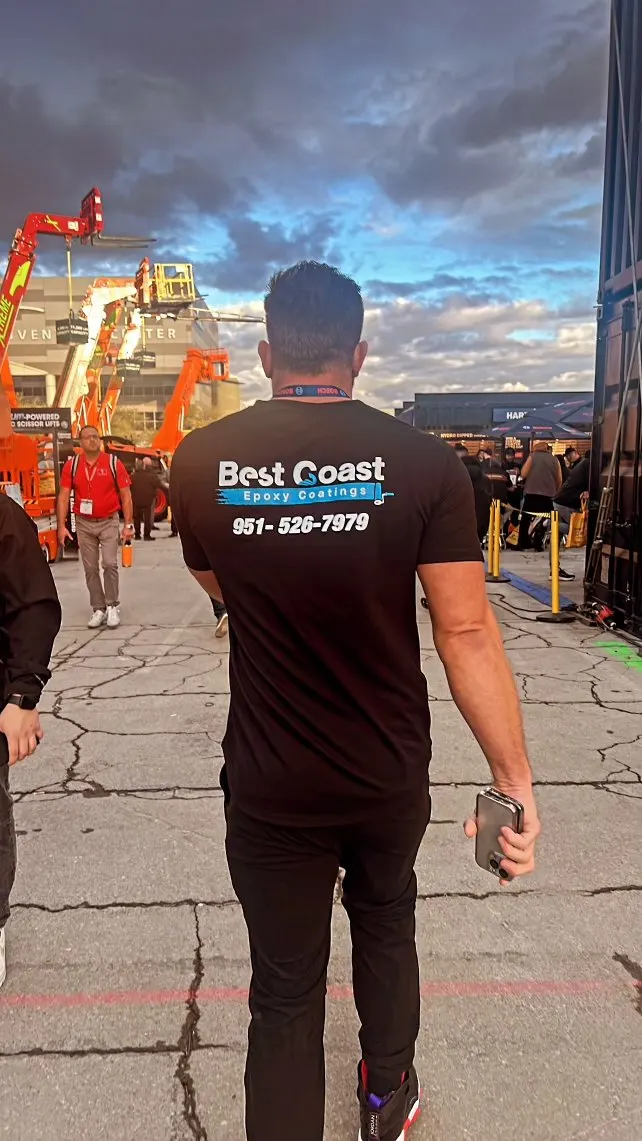
Taught by an installer, not a salesman.
Ryan Pepple has put down epoxy and polyaspartic floors by hand since 2011. He built Best Coast Epoxy Coatings by himself in Southern California, thousands of floors, and is taking it to Franklin, Tennessee in 2027.
He is not on a coatings brand's payroll, and he teaches every class himself, on the slab, all three days. What you get is fifteen years of what works, what fails, and what it costs, in the order he wishes someone had taught him.
Who sits in the ten seats.
Built for
- Painters and handymen who want a higher-ticket service
- Concrete, garage door and storage pros already in garages every week
- Career changers who want a trade they can run with one truck
- Installers who are tired of callbacks
Not for
- Anyone shopping for a franchise to run the business for them
- People who will not get on their knees on a slab for three days
Tuition
$1,495per seat
Founding class, January 22 to 24, 2027: $1,195
$300 deposit holds your seat. Balance due 14 days before class.
Apply for a seatEvery seat includes
- Three full days hands-on, on real slabs, ten students max
- All material, tools, grinders and safety gear during class
- Lunch all three days
- The quoting sheet and starter equipment list Ryan uses
- Thirty days of text access to Ryan after class
- A certificate of completion
A second seat from the same company is $200 off. The deposit is fully refundable up to 21 days before class; after that it moves to a future class of your choice.
Questions people ask before they apply.
Do I need experience?
No. Classes mix people who have never coated a floor with installers who already do. If you already install, the prep, failure forensics and pricing are where you will get the most.
What do I bring?
Work clothes you can ruin, boots, and knee pads. Respirators, gloves, glasses, tools and all the material are supplied.
Is this a certification?
You get a certificate of completion. It is not a contractor license and not a manufacturer warranty certification. In California, jobs over $1,000 in labor and materials need a CSLB contractor license, and we cover what that means for your first jobs.
Which coating brands do you use?
More than one brand of base coat, flake and polyaspartic, so you see how they behave side by side. No manufacturer pays to be featured.
Where is the class?
A working shop in the Temecula area. The exact address comes with your seat confirmation.
Will there be classes in Tennessee?
Yes. Franklin classes start in spring 2027. Pick the Franklin list on the application and you hear about dates first.
What if I need to cancel?
Your $300 deposit is fully refundable up to 21 days before class. After that it moves to any future class. The balance is due 14 days before class.
Apply for a seat.
Ryan reads every application and calls within two business days. If it is a fit, a $300 deposit locks your seat.